

A shirt on a pressure washing rig has a rough life. It catches sodium hypochlorite mist every time the wind shifts, soaks up surfactants and degreasers, sits in direct sun for eight hours, and goes through the wash two or three times a week. Most shirts are done in a month or two: pink bleach spots, cracked logos, a company name nobody can read anymore. This guide covers what actually survives the job — fabric, print method, layout, sizing, care — and how to get a matching set for your whole crew without a minimum order.
What the job does to a shirt, and why fabric is the first decision
Three things wreck a wash crew's shirts, and they work together. Chlorine overspray discolors cotton on contact — one drift of house-wash mix and there's a permanent orange spot on the chest. Sun beats down on the same shoulders and back all day, fading dyed cotton and surface prints. And the constant wet-dry cycle — soaked by ten, dried stiff by noon, hosed again by two — breaks down natural fibers faster than any washing machine will.
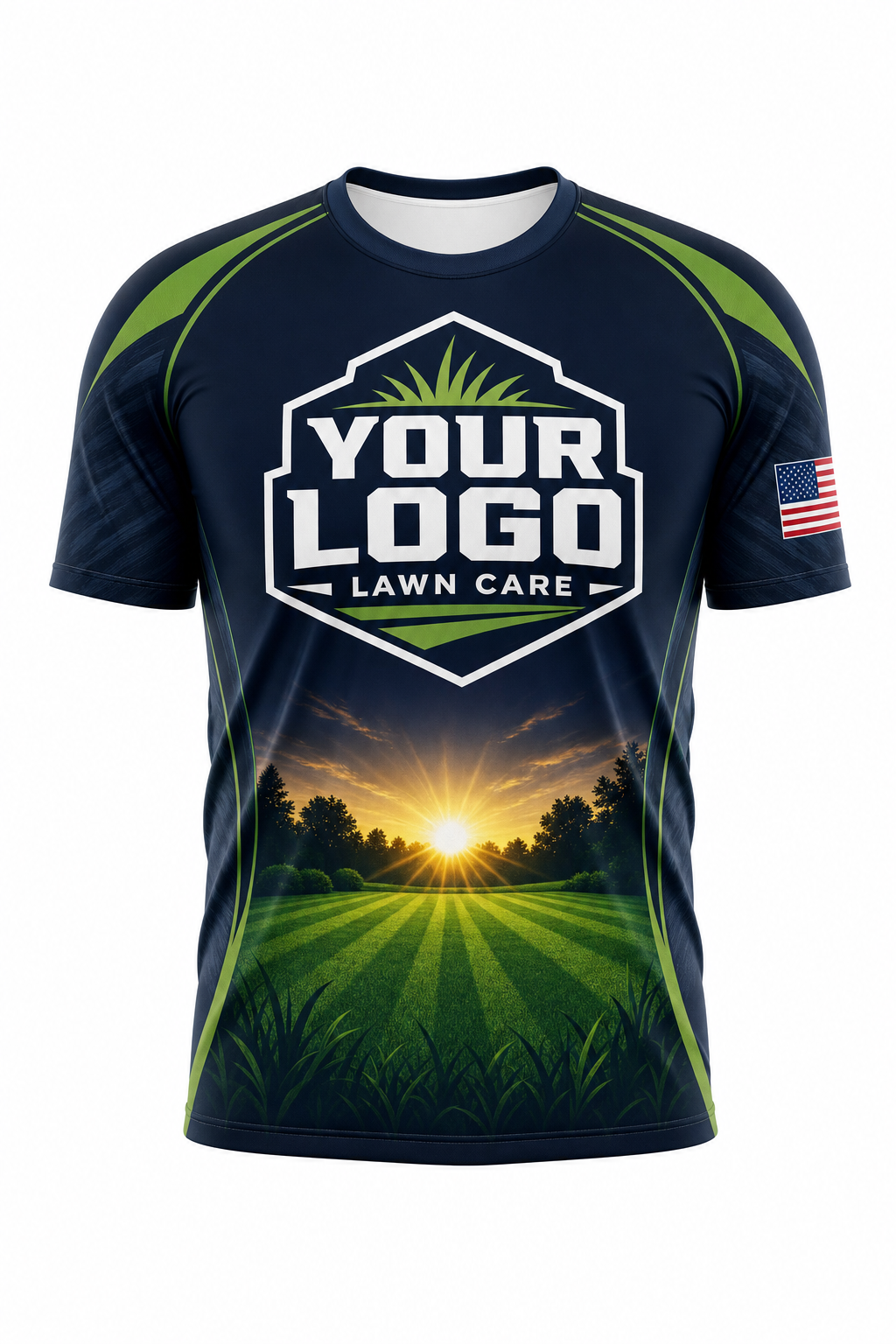
Polyester handles all three better. The fiber itself stands up to chlorine far better than cotton, it sheds water instead of holding it, and a soaked shirt is dry again before you finish the next driveway. The crew shirts in our cleaning and washing collection are lightweight moisture-wicking polyester with UPF 50+ built into the fabric, which matters when your neck and forearms face the sun from the first roof of the morning to the last patio of the day.


Lightweight wicking polyester with UPF 50+, printed edge to edge so there is no ink layer for overspray to strip.
There is a second reason polyester is the right call, and it has to do with how the shirt is printed.
Print method: why dye-sublimation beats screen print and embroidery here
Most custom work shirts are screen printed: a layer of ink is laid on top of the fabric and cured. That ink layer is exactly what fails on a wash rig. Bleach mist eats it, sun fades it, and repeated wash cycles crack and peel it until your logo looks like old road paint.
Dye-sublimation works differently. Under heat, the dye turns to gas and bonds inside the polyester fiber itself. There is no ink layer sitting on the surface — the color is the fabric. That is why a sublimated print is designed to resist cracking, peels, or fades, and why it is chemical and bleach resistant: there is no coating for the overspray to strip off. The same mist that ruins a screen-printed logo has nothing to grab on a sublimated one.
| Dye-sublimation | Screen print | Embroidery | |
|---|---|---|---|
| Where the color lives | Inside the polyester fiber | Ink layer on the surface | Thread stitched on top |
| Bleach and chemical overspray | Resistant — nothing to strip off | Discolors and breaks down | Thread can spot and discolor |
| Cracking and peeling | Never — no surface layer | Cracks with wash cycles and stretching | Doesn't crack, but can snag and fray |
| Sun fade | No fading | Fades with UV exposure | Holds color, thread-dependent |
| Feel on the shirt | None — fabric stays soft and breathable | Stiff patch, traps heat | Heavy backing behind the stitch |
| Coverage | Full garment, edge to edge | Limited print zones | Small areas only |
Embroidery still has a place — a stitched logo on a polo looks sharp when you're quoting a commercial job. But embroidery can't put a phone number across your back in letters readable from the street, and on a shirt that gets misted with chlorine daily, sublimation is the only method where the print question simply goes away.
What to put on the front and back
A crew shirt is working two jobs: identifying your people and selling to everyone who watches them work. Neighbors notice a crew washing the house across the street — make it easy for them to act on it.
- Front chest: logo and company name. Add the crew member's first name if you want the personal touch on residential work.
- Back: go big. Company name, your core services on one or two lines — house washing, roof cleaning, concrete, fleet — and a phone number sized to be read from thirty feet. The back of a bent-over tech is your most-viewed ad space.
- Sleeve: website or a repeat of the number, if you want it.
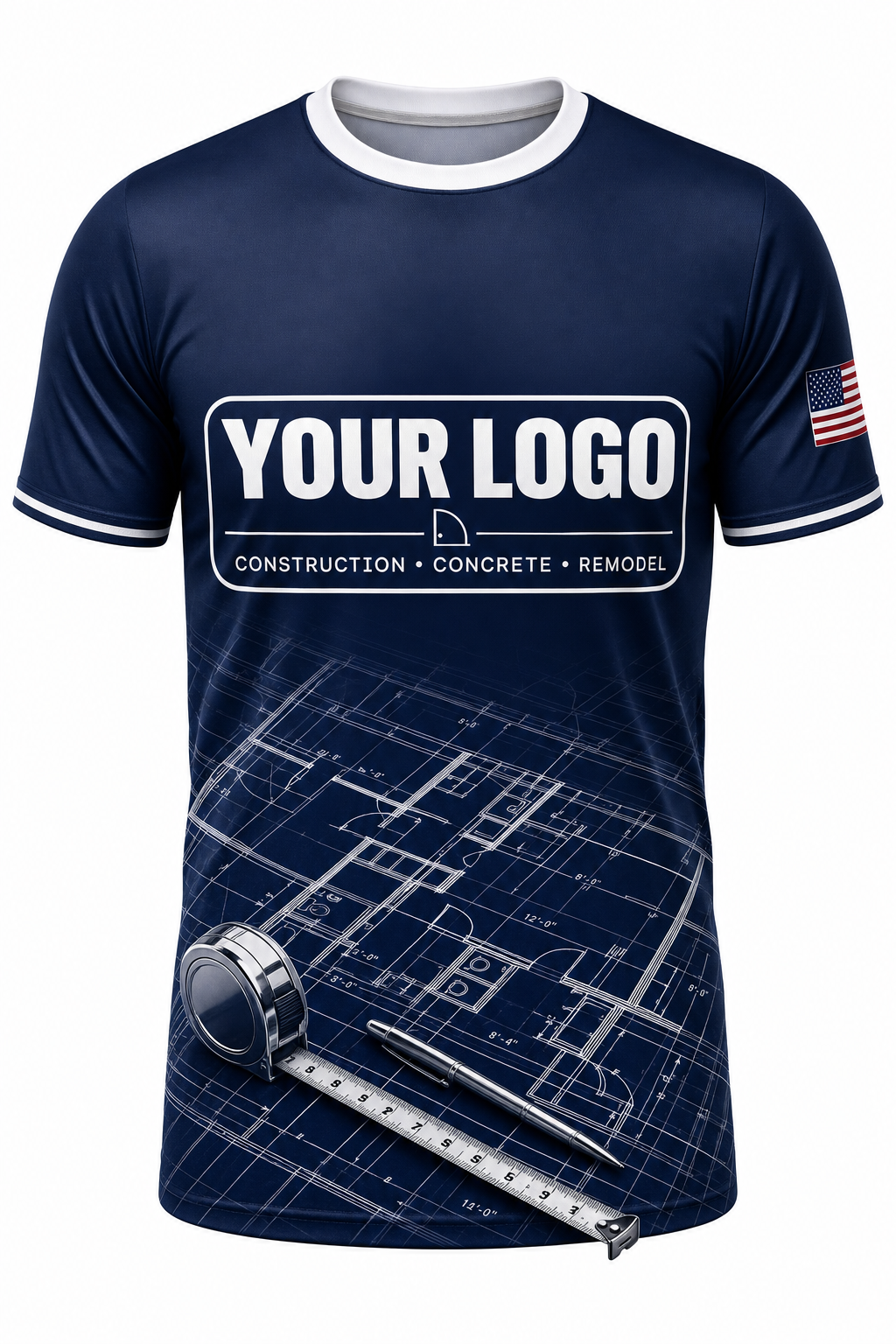
Because sublimation prints the full garment, you're not stuck with a small chest box on a plain shirt. You can run your brand colors across the whole shirt so the crew matches the truck and the yard signs. If you already know what you want, start with the custom uniform builder and upload your artwork.
Don't have print-ready art? You don't need it. TCV designers lay out your logo, company name, phone, and services for free, and you get a digital mockup within 24 hours. Revisions are unlimited, and nothing goes to production until you approve it — so what shows up in the box is exactly what you signed off on.
Sizing an order for a real crew
These shirts are cut in a US athletic fit, and they run fitted. That looks clean, but if your guys are between sizes or like room to move — or they wear a base layer under a hoodie in the shoulder season — order one size up. Check actual measurements against the size chart before you order a set; two minutes with a tape measure beats re-ordering three shirts.
Sizes run S through 5XL, so one order covers the whole roster. For garment mix, most wash crews land on something like this:
- T-shirts and tank tops for summer production work.
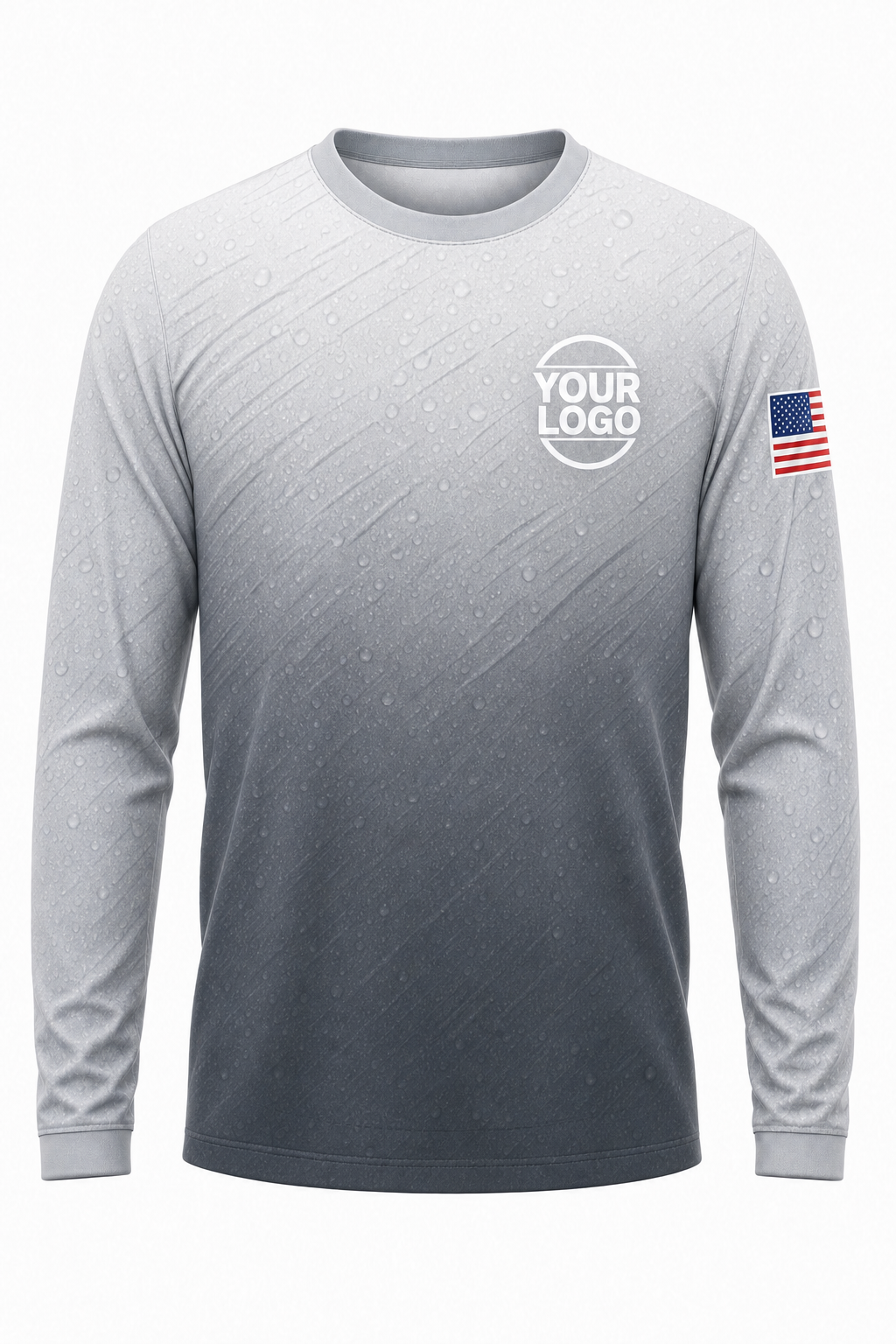
- Long sleeves for sun and chemical splash on the forearms — worth it for the guy running the downstream injector all day.
- Polos for estimates and commercial walk-throughs.
- Hoodies, zip hoodies, and sweatshirts for early starts and cold-season gutter work.
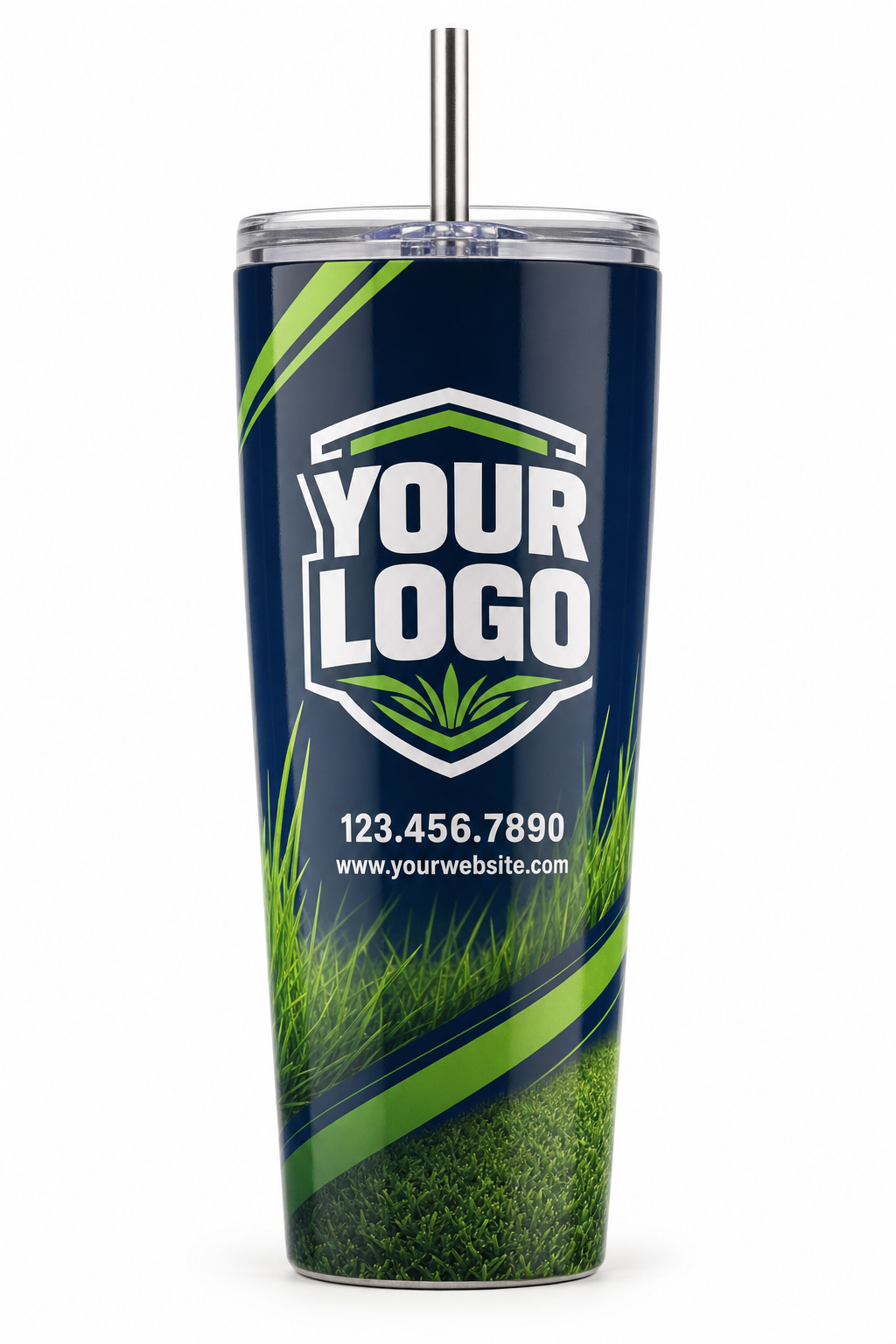
All of them print with the same design, so the crew looks the same in July and November. The full range is in the catalog, and matching 20 oz and 40 oz insulated tumblers exist if you want the water break branded too.
Care: getting a full season and more out of a set
The print needs no special treatment — the dye is in the fiber, so there's no coating to protect from the dryer or the wash. The fabric care is simple:
- Rinse a shirt that took heavy chemical spray the same day rather than letting it sit in the truck overnight.
- Machine wash cold or warm. No need to turn it inside out for the print's sake.
- Hang dry if you can — lightweight polyester is dry in about an hour, and skipping high dryer heat is easier on any synthetic fabric.
- Skip fabric softener; it coats polyester and works against the moisture-wicking.
That's it. No babying, no "wash separately," no watching a logo slowly crack apart week by week.
Ordering: from logo to delivered box
The process is built so a crew owner can knock it out in one evening:
- Pick your garments and quantities from the cleaning and washing collection.
- Upload your logo and tell us the company name, phone, and services you want on the shirt. No logo file? Describe what you have and the design team builds the layout free.
- Get your free digital mockup within 24 hours. Ask for changes until it's right — revisions are unlimited.
- Approve the mockup. Production starts only after your approval and takes 3–5 business days.
- Delivery runs 7–15 days. Crew discounts apply automatically: 5% off at 5+ items, 10% at 10+, 15% at 15+. Orders of 5+ items ship free to any country; smaller orders ship at $5.99 to the US, CA, UK, AU, and NZ, or $9.99 flat across the EU.
Every order is made to order — nothing sits in a warehouse losing its color. Full details are on the how to order page.
Designs wash crews order most


Frequently asked questions
Will house-wash mix or bleach ruin the print?
No. Sublimation dye is bonded inside the polyester fiber, not coated on top, so the print is chemical and bleach resistant. There is no ink layer for overspray to strip, crack, or discolor — which is the failure you see on screen-printed shirts.
How do the shirts fit?
US athletic fit, and it runs fitted. If a crew member is between sizes or prefers a looser working fit, size up one. Sizes go from S to 5XL — measure against the size chart before ordering a full set.
Is there a minimum order?
No minimum — you can order a single shirt to test on the job before outfitting the crew. Discounts kick in automatically at volume: 5% off 5+ items, 10% off 10+, 15% off 15+, and any order of 5 or more items ships free worldwide.
What if something arrives wrong?
Every piece is made to order, so returns are for defects only: if a shirt arrives with a printing or garment defect, report it within 14 days and it gets remade or refunded. That's also why production only starts after you approve the mockup — the design you see is the design you get.
Ready to put your crew in shirts the job can't beat? Browse the cleaning and washing crew collection, send over your logo and phone number, and you'll have a free mockup in your inbox within 24 hours. No minimums, no art fees, and crew discounts apply themselves at checkout.